
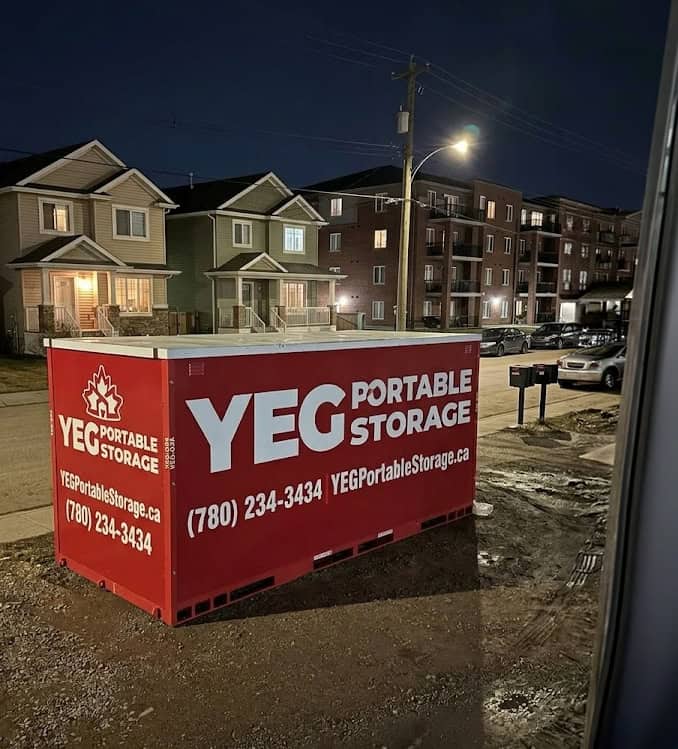
Moving is already a headache. You do not want to stress about your stuff fitting in the storage container. If you pick a container that’s too small you will have to make extra trips. On the other hand if you choose one that is too big you will pay for space you do not need.
This guide will help you figure out the storage size, for your move whether you have one, two or three bedrooms. We will look at what affects how much space you need and how to avoid mistakes when choosing a storage size before your move.
Why Choosing the Right Size Matters
Selecting the correct size isn’t just about fitting your belongings inside a container. It also affects your budget, timeline, and overall moving experience.
The impact on cost
A larger container usually comes with a higher rental cost. While it’s important to have enough space, paying for an unused room isn’t always the best use of your budget.
The impact on convenience
Running out of space halfway through loading can create delays and unnecessary stress. Choosing the right size from the start helps keep your move organized and efficient.
The impact on item protection
When a container is packed correctly, belongings are less likely to shift during transport. Having enough room helps you stack and secure items more safely.
If your container will hold televisions, monitors, or small electronics, knowing how to store electronics safely can help reduce the risk of damage.
Factors That Affect How Much Space You Need
Before estimating storage needs by bedroom count, remember that every home contains a different amount of furniture and belongings.The size and quantity of your items can greatly affect how much storage space you’ll need.
The amount of furniture you own
The amount of space you need depends on the type and quantity of furniture you own. Even homes with the same number of bedrooms can have very different storage requirements.
- Large sectionals, dining sets, and home office furniture take up more room.
- Minimalist households may need significantly less storage space.
- Specialty items often require additional planning.
Appliances and oversized items
Large appliances take up more space than many people expect. Including them in your estimate helps ensure you choose the right container size.
- Refrigerators
- Freezers
- Washers and dryers
- Exercise equipment
These items should always be considered separately when estimating space needs.
Packing style and box quantity
Many people underestimate how much space their packed boxes will actually require. Even smaller household items can quickly add up during a move.
- Books add significant weight.
- Seasonal items take up more space than expected.
- Garages, sheds, and storage rooms are frequently overlooked.
Creating an inventory before booking can help you avoid sizing mistakes.
If you want to make the most of the space you’re renting, these tips to maximize container space can help you pack more efficiently without overcrowding the unit.
Recommended Size for a 1-Bedroom Move
Moving needs can vary from one household to another, but general size recommendations can make planning easier. These guidelines can help you choose a container that fits your belongings more accurately.
What typically fits
A 1-bedroom move usually includes:
- A bed and mattress
- Small sofa
- Coffee table
- Television
- Several boxes
- Small appliances
Most people moving from a condo, apartment, or small home can fit comfortably into a smaller container.
Who this size works best for
A smaller storage container is often the right choice for people moving from compact living spaces with fewer belongings. It provides enough room for essential furniture and boxes while helping keep moving costs manageable.
This option is often ideal for:
- Students
- Young professionals
- Apartment renters
- Downsizing seniors
If you’re moving from a smaller living space, a compact option often provides enough room without paying for unnecessary capacity.
Recommended Size for a 2-Bedroom Move
A 2-bedroom move often involves a wider range of furniture and household items than a smaller move. Taking time to estimate your belongings can help you choose the right amount of storage space.
What typically fits
You may need room for:
- Two bedroom sets
- Living room furniture
- Dining table and chairs
- Multiple appliances
- Additional storage boxes
This is often where homeowners begin comparing different storage options more carefully.
Common sizing mistakes
Many people assume their belongings will take up less space than they actually do, which can lead to choosing the wrong container size. Understanding the most common sizing errors can help you plan more accurately and avoid unexpected issues during your move.
Many people underestimate:
- Garage contents
- Patio furniture
- Children’s toys
- Seasonal decorations
These items can take up more space than expected.
Recommended Size for a 3-Bedroom Move
Moving a larger household often requires more careful planning to ensure everything fits properly. Taking time to estimate your storage needs can help avoid delays and unexpected issues during the move.
What typically fits
A 3-bedroom move may include:
- Multiple bedroom sets
- Large sectional sofas
- Dining room furniture
- Home office equipment
- Appliances
- Outdoor furniture
This type of move benefits from a detailed inventory before selecting a container size.
When you may need more than one container
While many 3-bedroom moves fit into a single container, some households simply have more belongings than average. Understanding when extra space may be necessary can help you plan more effectively and avoid last-minute surprises.
Certain situations may require additional space:
- Large families
- Long-term homeowners
- Homes with extensive storage areas
- Households with specialty items
Planning ahead helps prevent last-minute adjustments.
How to Estimate Your Space More Accurately
Taking a few minutes to plan ahead can help make your move smoother and more organized. It can also reduce unexpected costs and last-minute stress.
Create a room-by-room inventory
Walk through your home and list major items in each room. This gives you a realistic view of how much space you’ll actually need.
Don’t forget storage areas
Storage spaces are often overlooked when estimating how much room you’ll need for a move. Taking these areas into account can help you avoid running out of space unexpectedly.
Many people overlook:
- Basements
- Garages
- Attics
- Outdoor sheds
These spaces often contain more items than expected.
Ask questions before booking
If you’re researching portable storage Edmonton, don’t hesitate to ask providers for sizing recommendations. An experienced team can often help estimate the right option based on your inventory.
Pros and Cons of Choosing a Larger Container
Considering both the benefits and drawbacks can make it easier to choose the right container size. A balanced approach helps ensure you get the space you need without overspending.
Advantages
- Extra flexibility during packing
- Less risk of running out of space
- Easier organization inside the container
These benefits can provide peace of mind during a busy move.
Limitations
- Higher rental cost
- Potentially paying for unused space
- Larger placement area required
Balancing convenience and budget is important.
Who Benefits Most from Portable Storage?
Many people need a storage solution that offers flexibility during a move or home project. Portable storage can be a practical choice for a variety of situations, including:
- Families moving between homes
- Homeowners completing renovations
- People with delayed possession dates
- Anyone who wants flexibility during the moving process
Many people choose moving containers because they provide more control over timing and loading schedules.
If you’re weighing convenience as much as size, it also helps to understand how portable storage containers simplify moves and reduce the back-and-forth of traditional storage.
Practical Tips Before You Book
A little planning before booking can make choosing the right container size much easier. These simple tips can help you avoid common mistakes and ensure you have enough space for your move.
- Measure large furniture pieces before estimating space.
- Declutter before loading unnecessary items.
- Create a complete inventory list.
- Consider future purchases or items currently in storage.
- Leave room for safe stacking and organization.
Small planning steps can prevent bigger problems later.
Before delivery day, it’s worth checking city of Edmonton driveway or placement rules if your container will need to sit in a tight space or near public access.
Frequently Asked Questions
Choosing the right portable storage Edmonton size can feel confusing, especially when planning a move. Here are simple answers to common questions about moving containers in Edmonton to help you decide with confidence.
How do I know if a container is too small?
If you cannot comfortably fit your major furniture pieces and boxes without overpacking, the container is likely undersized.
Can I use one container for a 3-bedroom house?
In some cases, yes. However, larger households may require additional space depending on furniture volume.
Should I size up if I’m unsure?
In many situations, choosing slightly more space is better than running out during loading.
Do appliances count toward sizing estimates?
Absolutely. Large appliances can significantly impact the amount of space required.
What is the biggest mistake people make?
Underestimating the number of boxes they have. Boxes often take up more room than furniture.
Don’t Let the Wrong Size Slow Down Your Move
Choosing the right storage size can make your move simpler, more organized, and far less stressful. Taking the time to understand your inventory and plan ahead helps you avoid unexpected costs and last-minute problems.
If you’re still deciding what size works best, we recommend starting with a clear inventory and realistic timeline. Sometimes a quick conversation can save hours of guesswork later.
At YEG Portable Storage, we focus on helping people find practical solutions that fit their situation without making the process complicated.
What we can help you with:
- Local container delivery and pickup
- Short-term and long-term storage
- Residential storage support
- Renovation and transition storage
- Flexible scheduling options
If you’d like guidance on choosing the right size, call +1 (780) 801-7949 or request a FREE quote. We’re happy to help you make a confident decision before the moving day arrives.